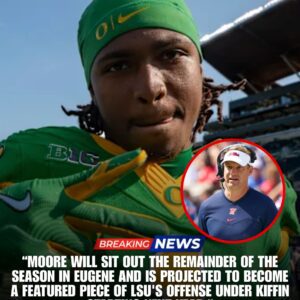
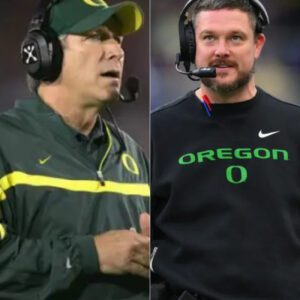
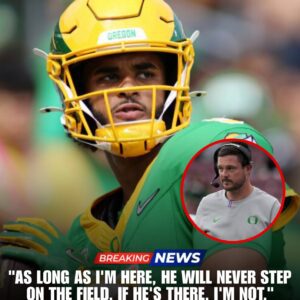
Malik Benson’s name has become synonymous with big plays, clutch catches, and electrifying moments at Oregon. His speed, agility, and football IQ have made him a fan favorite and a nightmare for opposing defenses. On the field, he’s a leader whose presence commands respect and attention. Off the field, his influence extends into the locker room, where younger players look up to him as both a mentor and motivator. Benson’s potential transfer, therefore, carries monumental implications for the Ducks’ program.
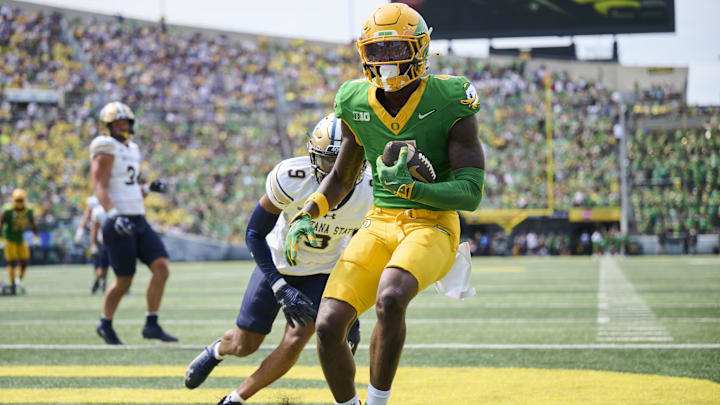
The timing of this move could not be more dramatic. Oregon was preparing for its postseason, gearing up to make a deep playoff run, when news broke that Benson would be leaving. According to multiple sources, the wide receiver’s NIL deal — reportedly worth $2 million — and the opportunity to reunite with Lane Kiffin at LSU made the decision nearly irresistible. The deal’s size alone sets a new benchmark in college football, signaling a shift in how star athletes leverage their talent in the modern NIL era.
For the Oregon Ducks, the repercussions are immediate. Coaches must reconfigure offensive strategies, relying on less experienced receivers to fill the void left by Benson. Team chemistry — long considered one of the Ducks’ strengths — is now under pressure. Reports from insiders suggest that some players are questioning loyalty, while others are trying to maintain focus despite the shockwave sent through the program. Analysts have speculated that this transfer could influence recruiting, with top prospects reevaluating the Ducks’ stability and program culture.
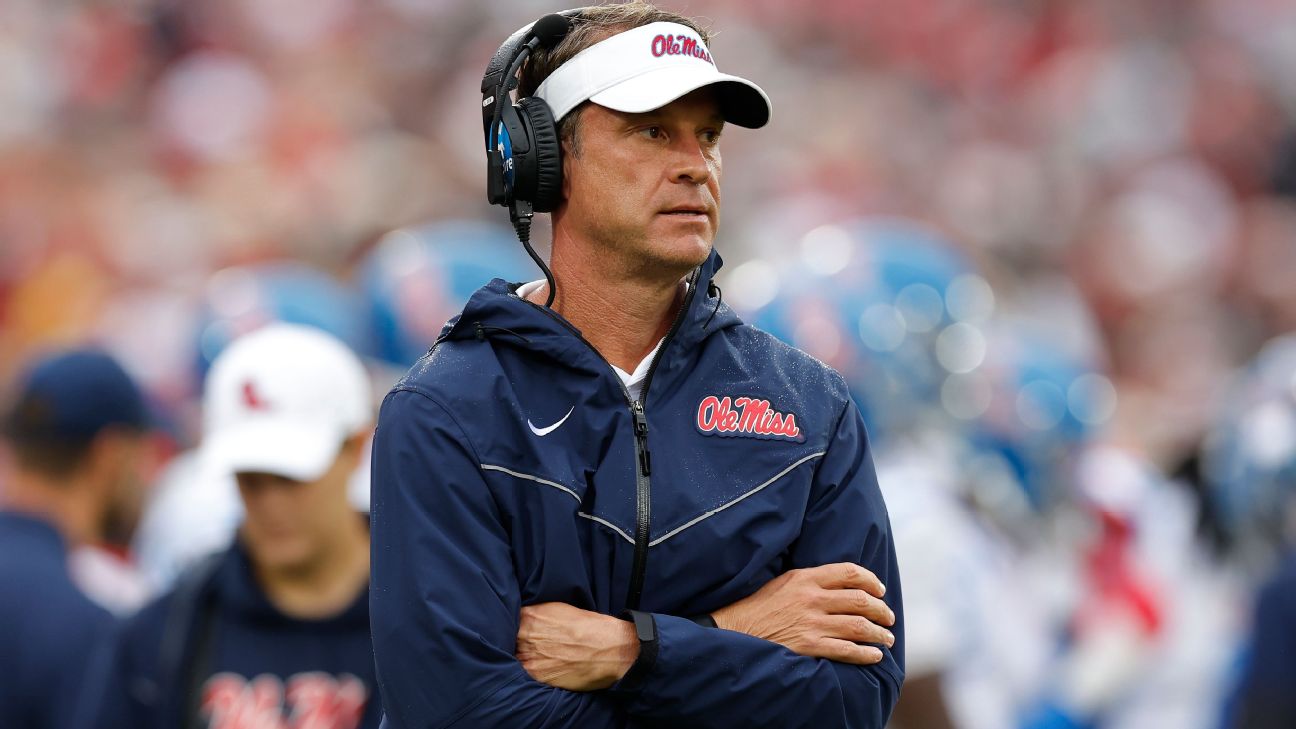
Meanwhile, LSU is celebrating. Lane Kiffin gains one of the most explosive playmakers in college football, a player who can change games with a single catch. Benson’s arrival not only boosts the Tigers’ offensive firepower but also signals a statement to the rest of the SEC: LSU is aggressively consolidating talent, and programs who fail to adapt may find themselves at a disadvantage. This move, combined with the high-profile NIL deal, is already dominating headlines, sparking debates about fairness, ethics, and the rapidly evolving landscape of college sports.
The conversation surrounding Benson’s transfer extends beyond Xs and Os. Fans are polarized: some celebrate his ambition and ability to capitalize on modern opportunities, while others lament what they see as a betrayal of the Oregon Ducks community. Social media exploded within hours of the announcement, with hashtags trending nationwide. Analysts dissected every angle: Was it purely financial? Was it driven by loyalty to Lane Kiffin? Or was it a combination of both ambition and opportunity? The debate continues, and it shows no signs of slowing down.

For Malik Benson, the stakes could not be higher. LSU offers a platform to showcase his talents on the national stage, improve his draft stock, and gain access to unparalleled resources. But leaving a beloved program in Oregon comes at a cost: questions of loyalty, criticism from fans, and the pressure to immediately perform in a new environment. How Benson handles these challenges will define the next chapter of his career — and perhaps set a precedent for future athletes navigating transfers and NIL deals.
For the Oregon Ducks, this moment serves as a warning. Even the most talented programs are vulnerable to the lure of NIL deals and coaching connections. Coaches must now work harder than ever to retain talent, manage morale, and maintain a culture of commitment and cohesion. The departure of Malik Benson is not just a loss of skill on the field — it is a test of resilience, leadership, and organizational fortitude.
In conclusion, Malik Benson’s transfer to LSU under Lane Kiffin, supported by a monumental $2 million NIL deal, represents one of the most significant moves of the college football season. It is a story of ambition, opportunity, and upheaval, capturing the attention of fans, analysts, and programs across the nation. For Oregon, the challenge is clear: rebuild, adapt, and find a way to thrive without one of its brightest stars. For LSU and Benson, the opportunity is equally clear: dominate the SEC, make headlines, and redefine the limits of what is possible in modern college football.