Democrats are forcefully condemning calls from MAGA figures demanding the deportation of Representative Ilhan Omar, framing the attacks not as isolated insults, but as a dangerous reflection of racial, political, and cultural double standards deeply embedded in American discourse.

Ilhan Omar, a Somali-born refugee who fled civil war as a child, became a U.S. citizen in 2000. Since then, she has built a career defined by public service, winning elections, crafting legislation, and representing millions of Americans in Congress. Yet despite her legal status, her repeated electoral victories, and her constitutional authority as a lawmaker, she continues to face calls for expulsion — something Democrats argue reveals a chilling truth about who is considered “legitimate” in American politics.
The controversy intensified when Democrats highlighted a striking comparison: Melania Trump, the former First Lady, became a U.S. citizen in 2006 — six years after Omar. Despite this, Omar is routinely labeled a “foreigner,” while Melania is shielded from similar scrutiny. To Democrats, this contrast exposes an unmistakable hierarchy of acceptance based not on law, but on race, ideology, and proximity to power.
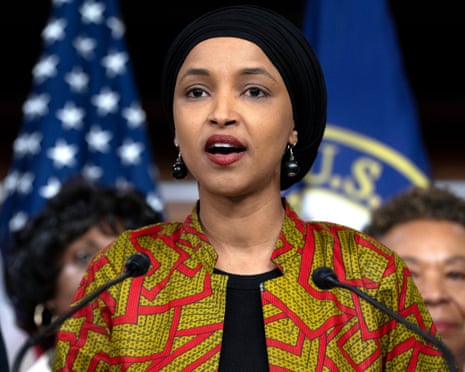
Critics within the Democratic Party argue that the attacks on Omar go far beyond policy disagreements. They point out that Omar speaks fluent, articulate English, has sworn the oath of office, and has devoted her career to civic engagement — yet is still treated as an outsider. Meanwhile, they say, Melania Trump’s foreign birth is rarely weaponized by the same political voices demanding Omar’s removal.
“This is not about patriotism,” one Democratic strategist stated. “It’s about control. It’s about deciding who gets to be American and who never will be, no matter how much they contribute.”

The MAGA movement has long framed itself as the guardian of national identity, but Democrats argue that this identity seems narrowly defined. According to them, Omar’s crime is not her citizenship status, but her willingness to challenge power, criticize U.S. foreign policy, and represent marginalized communities. Her very presence in Congress disrupts a traditional image of authority — and that disruption, they say, is what truly fuels the backlash.
The language used against Omar has also raised alarms. Calls for deportation against a sitting member of Congress are unprecedented in modern times and carry a symbolic weight that Democrats warn could normalize political exclusion based on identity rather than law.
Supporters of Omar argue that her life story embodies the American ideal: a refugee rising to one of the highest legislative bodies in the nation. To them, attacking her citizenship is not only false, but a rejection of America’s founding promise.
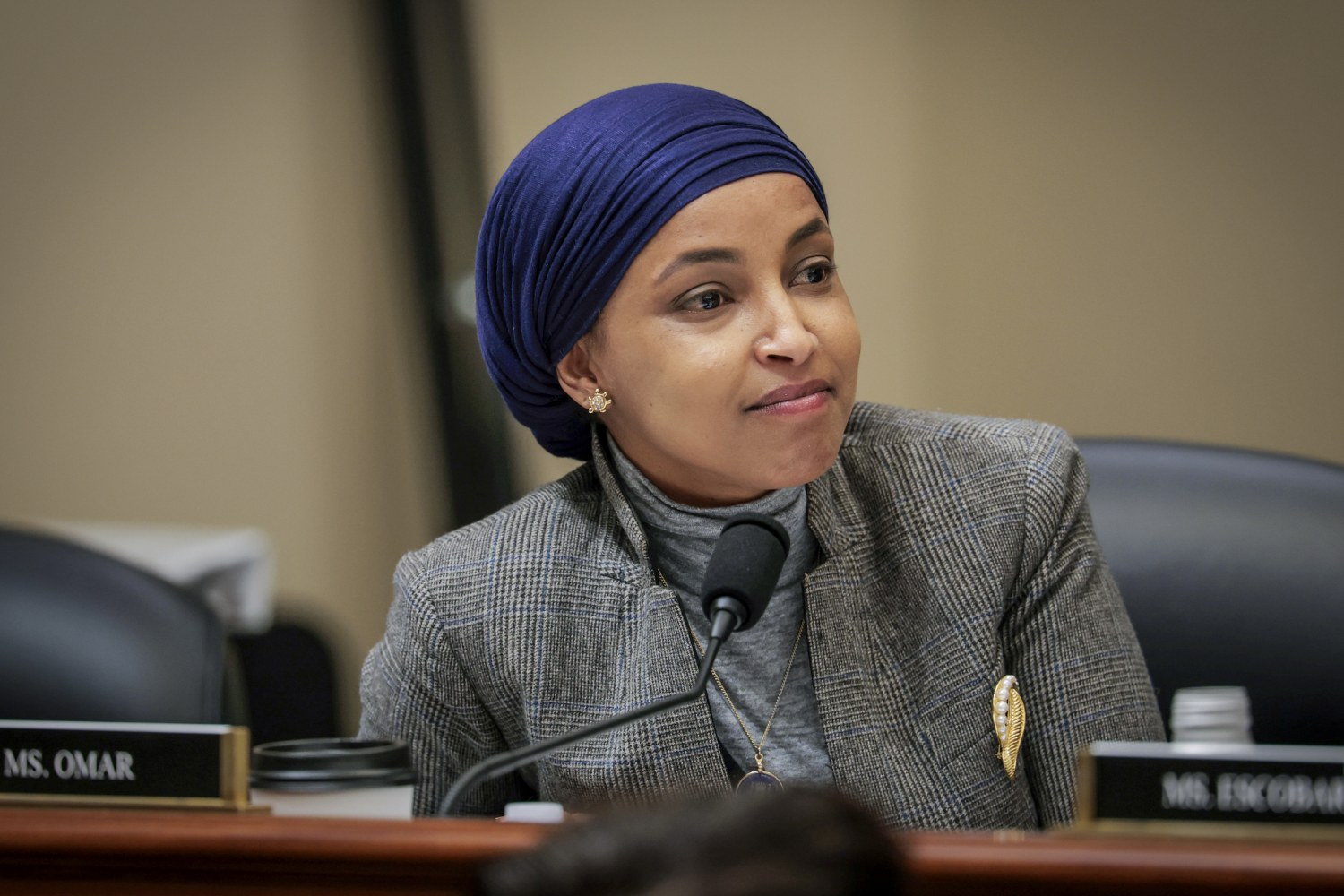
Republicans and MAGA-aligned figures, however, reject accusations of hypocrisy. They insist their criticism is rooted in Omar’s political positions, not her background. Yet Democrats counter that no other lawmaker faces deportation threats simply for holding controversial views — suggesting that Omar is being singled out.
As the debate rages, the issue has grown beyond two women or one political party. It has become a broader reckoning with how power, race, and loyalty are defined in America. The uproar forces the public to confront whether citizenship is a legal status — or a privilege selectively granted by those who hold power.
In the end, Democrats say the question is simple but unsettling: if an elected member of Congress can be told to “go back where she came from,” what does that mean for millions of Americans whose identities don’t fit a narrow political mold?
The firestorm surrounding Ilhan Omar isn’t fading. Instead, it is burning away illusions — exposing a nation still struggling to decide who truly belongs.