Before the first touchdown, before the deafening roar of fans, and before the titanic clash begins, the stadiums will fall into a silence so profound it will echo louder than any cheer. The NCAA has announced a one-minute pause before all upcoming playoff games to honor the lives tragically lost in the Brown University shooting on December 14. This is not just a gesture—it is a declaration that humanity, empathy, and compassion take precedence over every game.
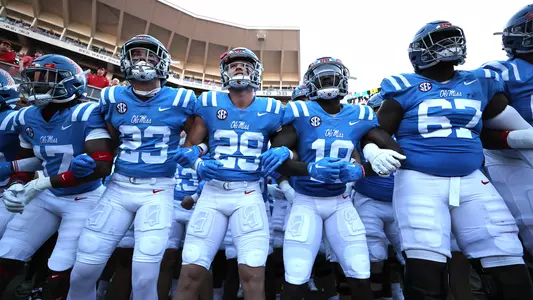
On December 21, during the monumental clash between Ole Miss and Tulane, something extraordinary will occur. Thousands of players, coaches, and fans will stand frozen in unison. Rivalries will dissolve, colors will blend, and for one solemn minute, grief will unite everyone in the stadium. For this brief but powerful moment, the game stops, and compassion speaks louder than any cheer ever could.
Amid touchdowns, tackles, and the relentless roar of fans, a delicate yet powerful reminder emerges: life beyond the stadium is infinitely more precious than any victory on the field. The tragic events at Brown University on December 14 shook not only the campus but hearts across the nation. Families lost loved ones, students lost friends, and the nation paused in collective grief.
In response, the NCAA has implemented a one-minute moment of silence before all upcoming playoff games. This minute is more than a ceremonial pause—it is a declaration that even in the intensity of competition, our shared humanity matters most. For sixty seconds, the fierce rivalries of college football dissolve. Ole Miss and Tulane, along with countless other teams, will temporarily set aside the pursuit of victory, and stadiums will transform into sanctuaries of reflection.
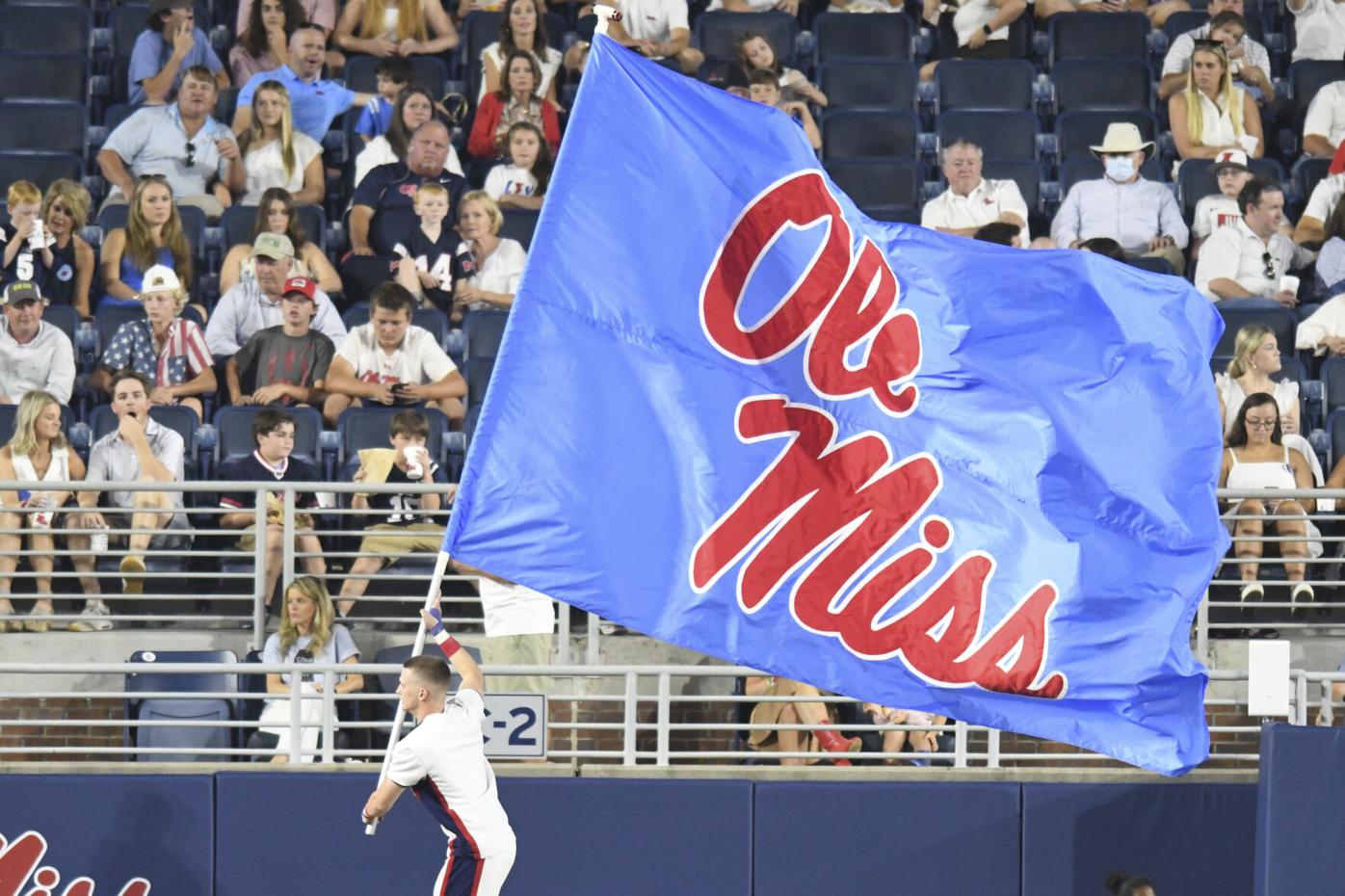
During this tribute, the impact is silent yet profound. Thousands of hearts beat in unison, sending a message far louder than any touchdown celebration: empathy is timeless, compassion is universal, and grief unites communities that are often divided.
For athletes, this moment will encourage reflection—not on strategies, statistics, or plays—but on the fragility of life itself. Victories and championships are celebrated, but character is measured by empathy and respect for human life. Fans, too, will be reminded that the spectacle of sports, however exhilarating, is secondary to the bonds of humanity that unite us all. And for the families affected by the Brown University tragedy, this minute serves as a public acknowledgment that their pain is seen, shared, and remembered.
Honoring the victims during a high-profile matchup such as Ole Miss versus Tulane amplifies the tribute. Millions will witness this act through broadcast coverage and social media, spreading its message across the globe. By pausing the game, NCAA transforms competitive arenas into spaces of reflection, where the deafening roar of the crowd is replaced by a collective heartbeat of empathy. In these moments, silence speaks volumes.
College football is often defined by rivalry, strategy, and spectacle. But this one-minute pause transcends the sport. It challenges everyone in the stadium and viewers watching from afar to remember that while games may end, compassion and empathy are eternal. For one fleeting minute, players and fans alike will recognize that true victory lies not on the scoreboard, but in humanity we share.
Ultimately, the one-minute tribute is a lesson larger than any playbook, more powerful than any cheer. It reminds us that moments of reflection, empathy, and solidarity must never be sidelined. No matter which team we support, the colors we wear, or the fervor of our cheers, the bonds of humanity outweigh every competition. In that brief silence, the loudest message is heard: love, compassion, and shared grief unite us more than any rivalry ever could.
As the games resume, the echo of this minute will linger in hearts, a timeless reminder that while football excites and inspires, our shared humanity endures. For one minute, the game stops. For a lifetime, compassion speaks.