House Speaker Mike Johnson is facing mounting criticism after refusing to directly condemn Donald Trump’s reported celebration of filmmaker and activist Rob Reiner’s death, opting instead for a carefully worded deflection that many see as evasive—and revealing.
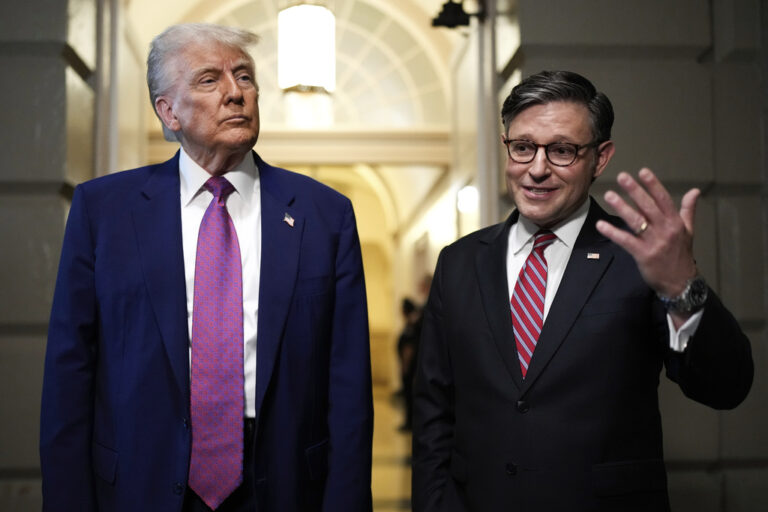
When asked plainly whether he condemned Trump’s remarks, Johnson responded:
“I don’t do ongoing commentary about everything that’s said by everybody in government every day. We’re trying to bring down health care costs for the American people.”
The exchange lasted only seconds, but its impact has reverberated far beyond the hallway where it occurred. To critics, Johnson’s answer wasn’t just a dodge—it was a statement about priorities, power, and political fear.
A Question That Demanded a Straight Answer
The reporter’s question was not abstract. It wasn’t about “everybody in government.” It was about one man: the former—and potentially future—President of the United States. And it wasn’t about policy. It was about basic decency.
Rob Reiner, regardless of one’s politics, was a towering figure in American film and culture. Celebrating the death of a public figure—especially one known for civic engagement—crosses a line for many Americans who believe leaders should model restraint and humanity.
Johnson was not asked to debate health care reform. He was asked whether he condemned celebrating someone’s death.
He did not answer.
The Politics of Silence
In Washington, silence is rarely neutral. Johnson’s refusal to condemn Trump is being interpreted by many as a calculated act of political survival—one rooted in the reality that Trump still dominates the Republican base.
As Speaker, Johnson occupies one of the most powerful roles in American government. Yet that power comes with a fragile foundation. A single revolt from Trump-aligned Republicans could cost him the gavel. And everyone knows it.
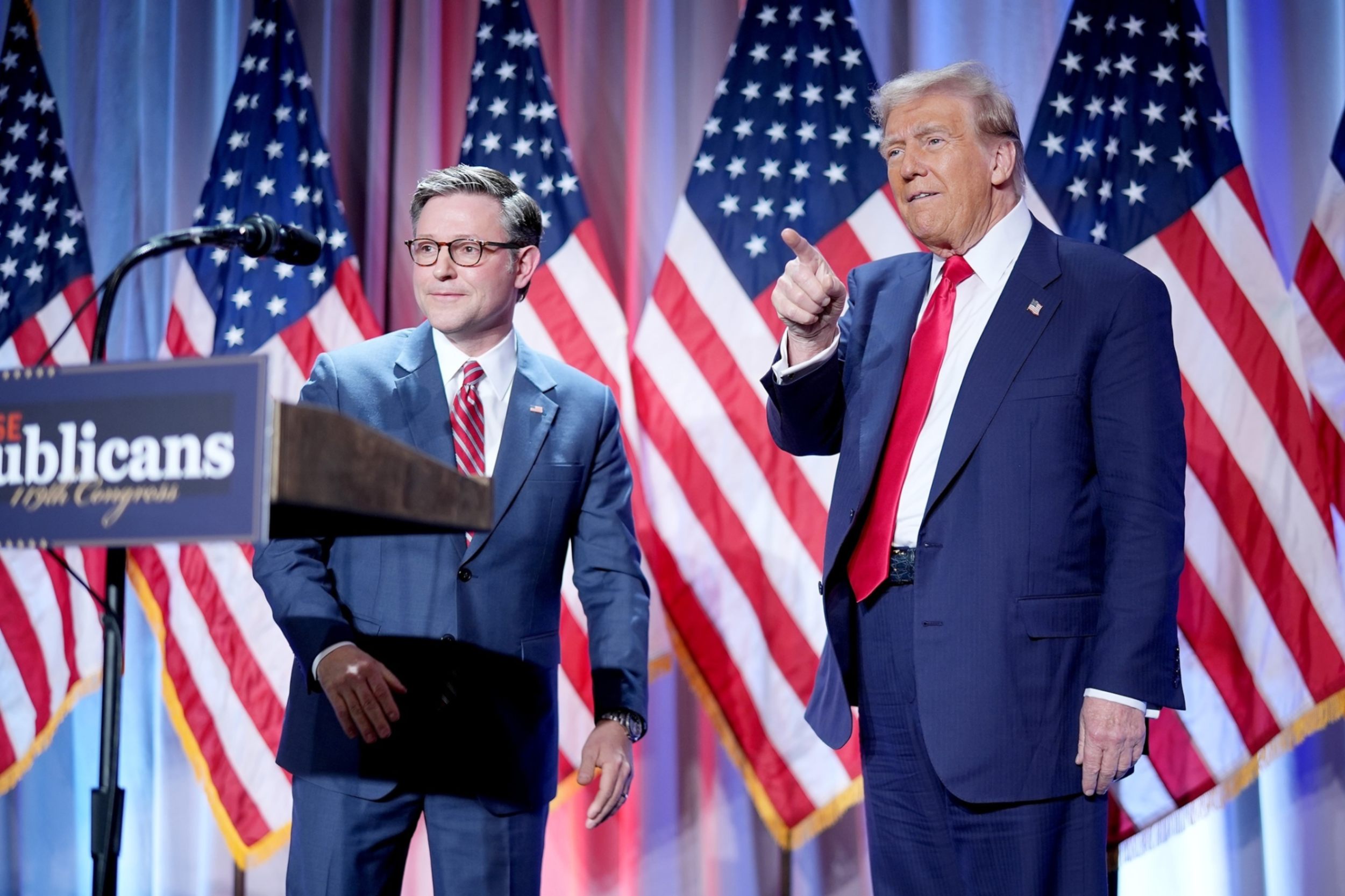
To critics, this moment crystallized a broader concern: that Johnson’s speakership is defined less by leadership than by avoidance—less by moral clarity than by strategic quiet.
They argue this was not a time for procedural answers or policy pivots. It was a moment that called for a simple sentence: Yes, celebrating death is wrong.
Health Care as a Shield
Johnson’s pivot to health care costs did not go unnoticed. While lowering medical expenses is a legitimate concern, invoking it in response to a moral question struck many as cynical.
“This wasn’t about legislation,” one political analyst noted. “It was about character. And he changed the subject.”
The move reinforced a growing perception that policy is being used as a shield—to avoid confronting uncomfortable behavior from within one’s own political camp.
Supporters of Johnson argue that he is right to stay focused on governing and avoid being pulled into culture-war commentary. They say constant outrage distracts from legislative work.
But critics counter that condemning cruelty is not a culture war—it’s a baseline expectation of leadership.
A Pattern, Not an Accident
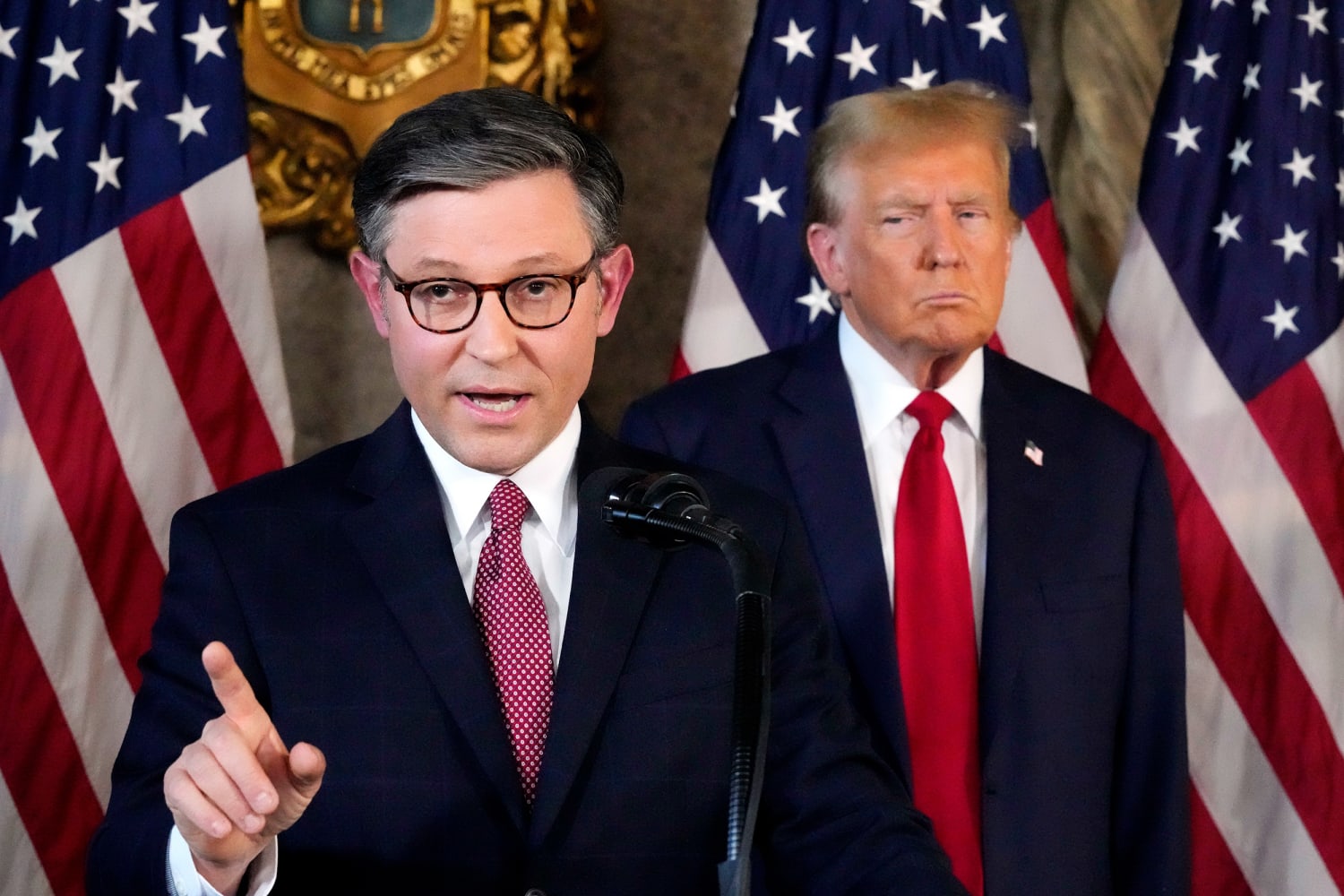
This was not an isolated incident. Johnson has repeatedly avoided directly criticizing Trump, even when pressed on controversial statements or actions. Each time, the response follows a familiar script: deflect, generalize, pivot.
To detractors, this pattern raises a troubling question: if the Speaker of the House cannot bring himself to condemn celebrating a death, what will he stand up to?
The issue, they argue, is not partisanship—it’s precedent. When leaders refuse to draw lines, those lines disappear.
Public Reaction: Sharp and Unforgiving
Online reaction was swift and brutal. Commentators across the political spectrum accused Johnson of moral cowardice. Others mocked the health care pivot as tone-deaf.
The most common refrain was simple: We didn’t ask for a policy briefing. We asked for a yes or no.
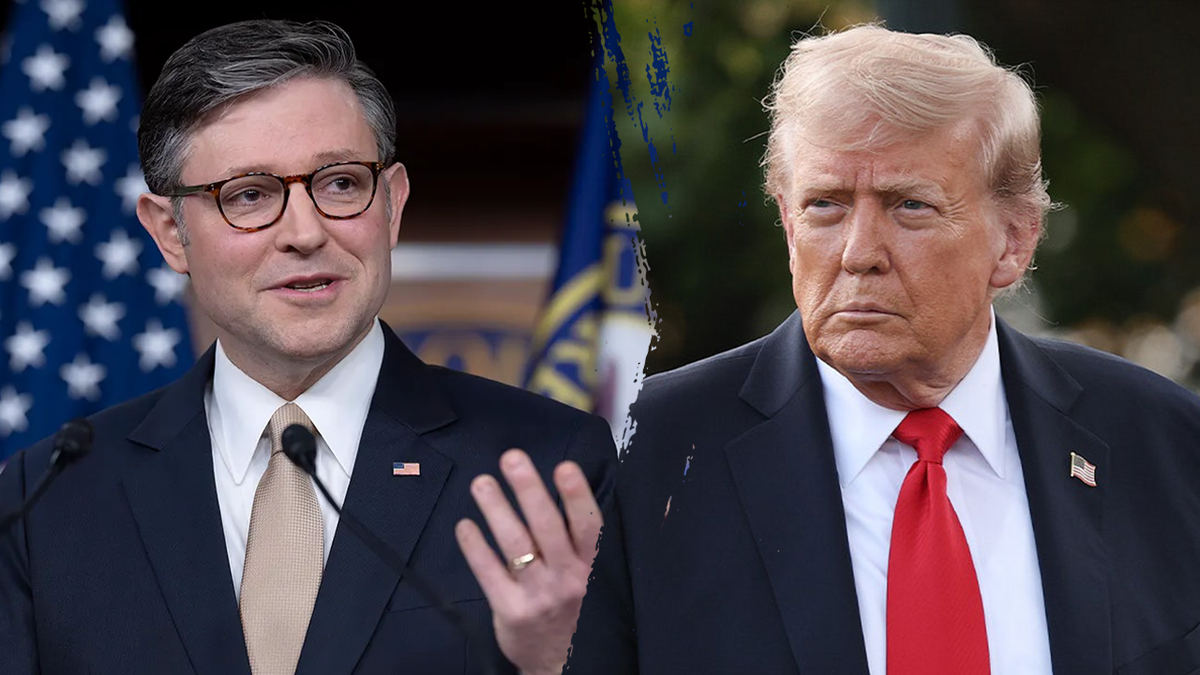
For many Americans, the frustration wasn’t about Rob Reiner alone—it was about a sense that accountability vanishes when it comes to powerful figures.
The Cost of Not Choosing
Leadership often reveals itself not in speeches, but in moments of pressure. Johnson had such a moment—and chose caution over clarity.
That choice may protect his position in the short term. But it risks deepening public cynicism about a political system where answers are carefully avoided, and moral lines are negotiable.
In trying not to offend anyone, Johnson may have offended many.
Because sometimes, the question isn’t complicated. And sometimes, refusing to answer is the answer.