For the first time in history, Erika Kirk has been named one of TIME Magazine’s “Top 100 Most Influential People of 2025.” The moment her name was announced, the entire room rose in a standing ovation—a powerful testament not only to a milestone achieved, but to a journey defined by faith, resilience and hope.

From the quiet wife of Charlie Kirk, to co-leader and now figurehead of a national movement, Erika’s path defied expectations. In a ceremony watched around the world, she accepted the honour with humility and dedication—to “everyone who chooses hope over heartbreak.” Her words echoed: influence isn’t about fame or power, but about standing firm when life tries to silence you.
A Story of Loss, Faith and Purpose
Erika’s life changed forever when Charlie Kirk was tragically assassinated while speaking at a university event. What followed would test most of us: grief, single parenthood and leadership thrust into the spotlight overnight. But what set Erika apart was her response. At her husband’s memorial service just 11 days later, she said: “I forgive him because it was what Christ did and is what Charlie would do.” She added: “The answer to hate is not hate. The answer we know from the Gospel is love and always love.”

This moment resonated deeply. In naming her among its 100 most influential rising stars, TIME acknowledged that Erika’s words “may frame the future of the organization her husband launched as a teen and built into a political powerhouse mobilizing young conservatives across the country.” Raising two young children without her husband, she had stepped into leadership—in a moment of historic reckoning. “What Erika Kirk models to America’s political leadership is the strength of resilience and grace.”
From Private Life to Public Influence
Her transition from private life to public figure was not planned. The grieving widow became the new chair and CEO of the organization Charlie founded, Turning Point USA. In doing so, she symbolised something broader: the move from tragedy to mission, from hidden personal story to global platform. As TIME describes, “few would have faulted her if she had demanded retribution. Instead, she offered forgiveness.”
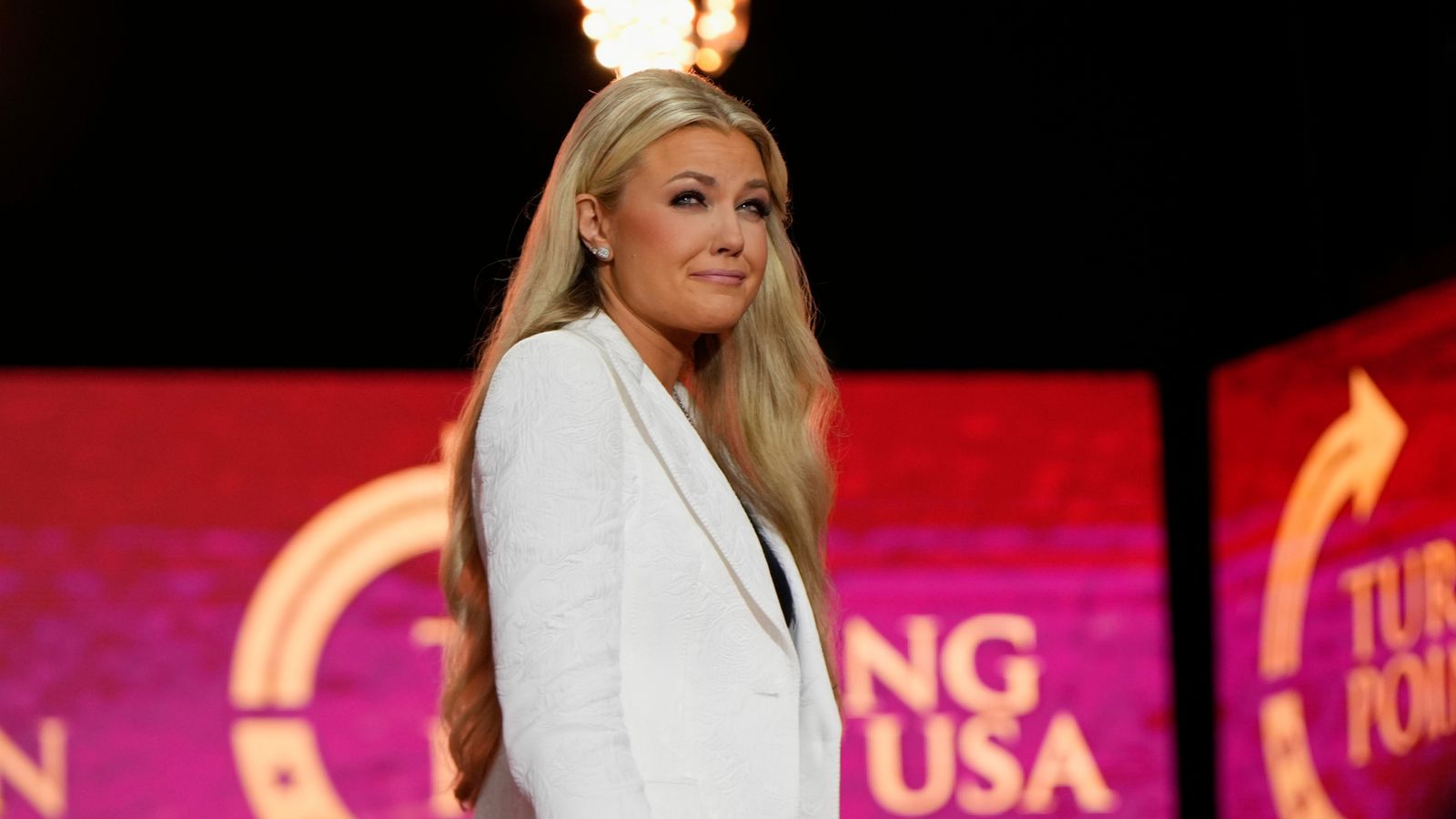
For many, Erika’s strength lies not solely in what she does, but in how she stands. Faith underpins her narrative—she publicly linked her choice of forgiveness to the Gospel, to Christ’s example, and to her husband’s legacy. In a world where outrage often dominates, her refusal to answer violence with vengeance stood out. It is that departure from the expected script that drew attention, and propelled her into the pages of TIME.
Why Her Recognition Matters
Being named to TIME’s list is more than a credential — it’s a signal. Erika’s inclusion marks a recognition of women who lead through adversity, and those who turn personal tragedy into purpose. It redefines influence. It shows that power can emerge quietly, anchored in values rather than noise.
For the conservative movement she now leads, Erika’s appointment signals continuity and transformation—holding fast to a legacy while embracing change. For the broader cultural moment, her story resonates because it speaks to hope beyond despair, light beyond loss.
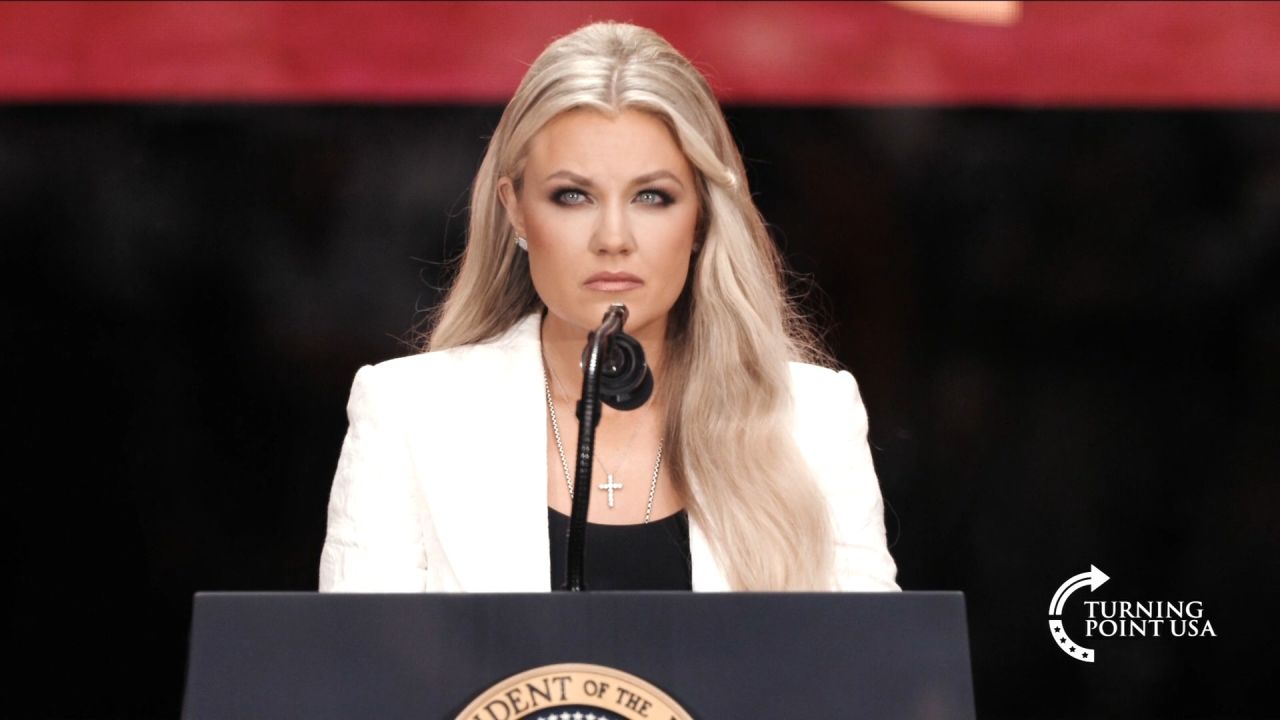
What Comes Next
Now flagged as a rising star in the “Leaders” category, Erika is in a position that carries both promise and scrutiny. Some critics have questioned her past and her sudden elevation. The Hollywood Gossip But for many supporters, her story offers a blueprint: when life takes everything, what remains is character. And when that character includes love in place of hate, a legacy written in hope replaces a narrative of sorrow.
Standing on that stage, Erika dedicated her honour to everyone who chooses hope over heartbreak. Her journey—from grief to global recognition—is more than inspiring; it is proof that light can still rise from the darkest places, and that faith can turn tragedy into purpose.
As the world watches what she will do next, one thing is clear: influence has a new face. And it is defined not by the loudest voice in the room, but by the one that chooses to stand when others sit down.