The Caribbean island of Jamaica has long endured hurricanes, but nothing like what struck on October 28, 2025. Hurricane Melissa made landfall as a Category 5 storm—the strongest ever recorded in Jamaica’s history with sustained winds estimated at around 185 mph.
From the moment its outer bands began to sweep across the island, the warnings were dire; but the reality, as residents now face, has exceeded even the worst forecasts.

In the southwest of Jamaica—particularly the parishes of St. Elizabeth and Westmoreland—the damage has been catastrophic. Officials confirmed that the parish of St. Elizabeth was essentially under water, as roads turned to rivers and entire communities found themselves cut off.
In the town of Black River, hospitals and medical centres—vital lifelines for the region—have reportedly been destroyed or rendered inoperable. One health minister reported that a hospital lost its roof and power, while patients and staff were forced into emergency shelter.
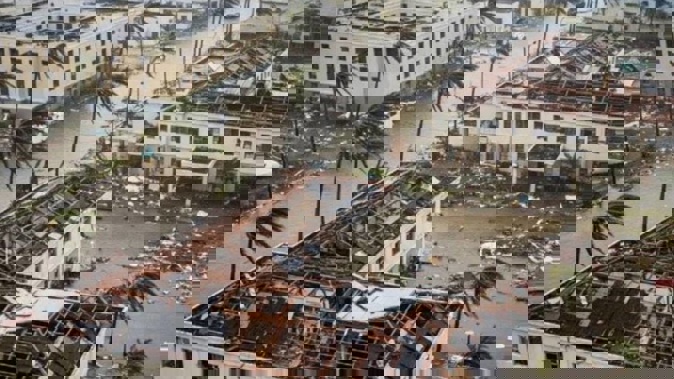
Power outages now afflict more than half a million people across the island. Utility poles down, major roads blocked with fallen trees and landslides, reliable access to care and aid cut off. The storm’s slow motion and enormous size meant that the winds, rains and surge lingered longer than many storms, compounding the destructive impact.
Medical staff are reporting dire conditions: without power, hospitals cannot operate essential equipment; with roads impassable, reaching stranded patients is a race against time. Imagine the scene: emergency crews unable to respond, patients waiting in darkness, the injured unattended, and no guarantee of relief for hours or days. The human cost of such breakdowns multiplies rapidly.
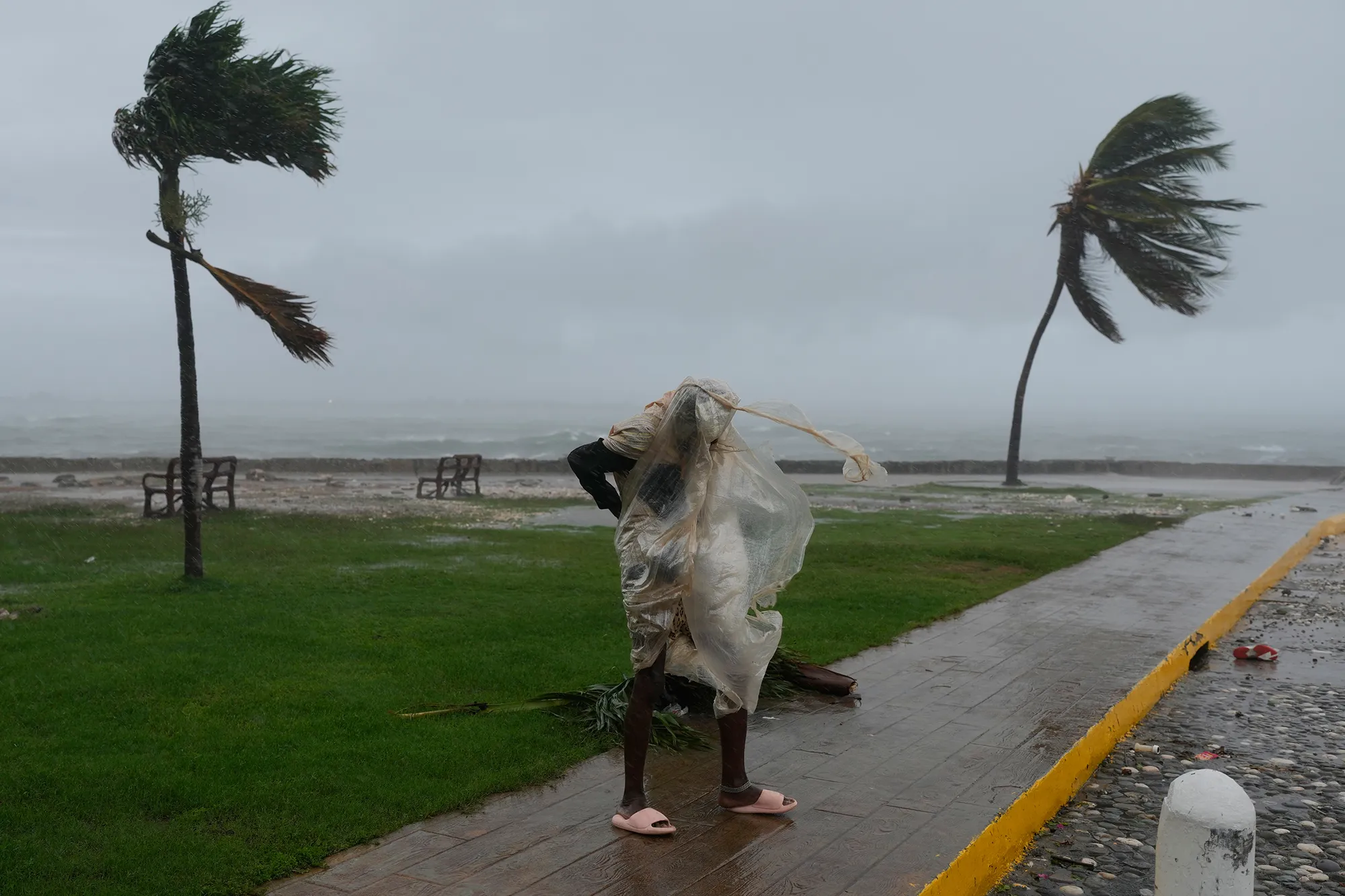
On the ground, survivors speak of devastating scenes: roofs ripped off houses, trees uprooted like matchsticks, roads becoming torrents of mud and debris. One resident described the sound of the wind as “like bombs going off”.
Children and the elderly—already vulnerable—are now in immediate danger.
Agriculture, tourism, infrastructure—all pillars of Jamaica’s economy—are also taking a severe blow. The southwest region is known as a breadbasket for the island; fields have been flooded, land eroded, crops destroyed. The Guardian
The long-term impact will be profound: livelihoods gone, resources stretched, rebuilding a daunting challenge.

And yet, amidst the chaos, hope flickers. Communities are already pulling together; international aid agencies are mobilising; the world is watching and offering solidarity. But the scale of the task is immense. Recovery will take not days, but months—perhaps years. Officials warn that this could be the worst storm Jamaica has ever seen.
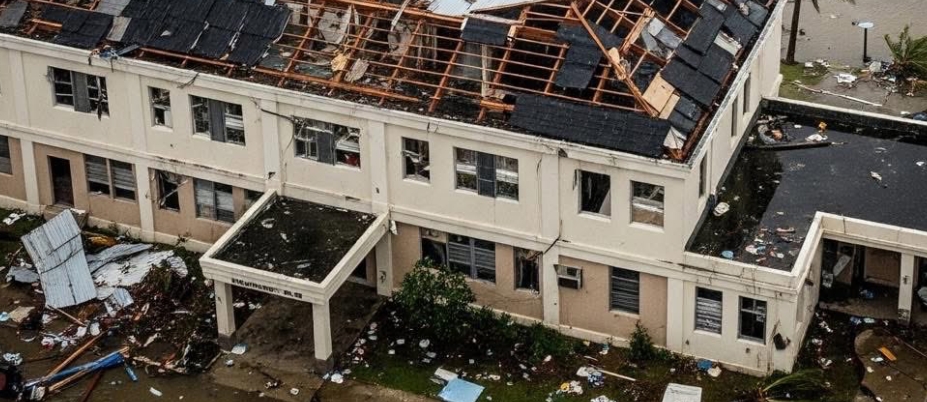
For now, what is needed is immediate support: emergency medical supplies, water, food, generators, fuel. People need safe shelters, clear roads, functioning hospitals. The urgency cannot be overstated.
We ask you: keep Jamaica in your thoughts. Pray for the medical staff who stayed to care for others while their own lives were in danger. Pray for the families who lost everything—their homes, their security, their hope. Pray for the island that has given so much beauty to the world, now bearing a heavy burden.