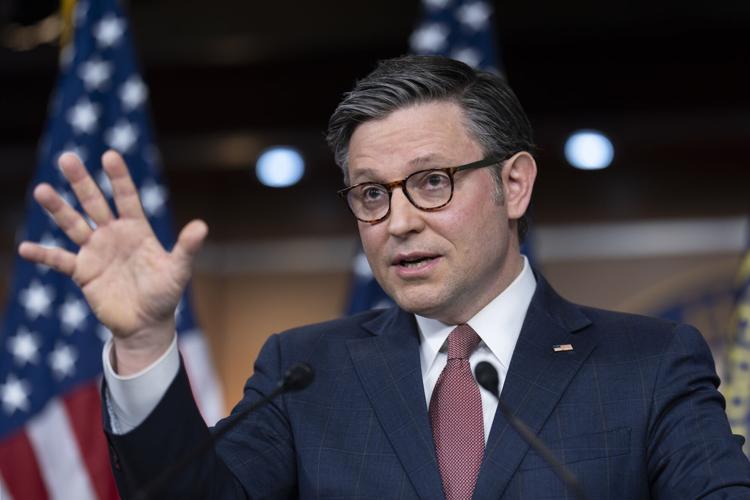
House Speaker Mike Johnson (R-LA) told reporters Wednesday that he has not yet viewed the classified video of a deadly military strike on a drug boat in the Caribbean, an attack that has drawn intense scrutiny and accusations of potential war crimes. Johnson said he missed a briefing with Defense Secretary Pete Hegseth and Secretary of State Marco Rubio this week because he was focused on working with House GOP lawmakers on emerging health care proposals.

The boat strike, which occurred on September 2, resulted in the deaths of 11 individuals, including two men killed in a follow-up attack after reportedly clinging to wreckage for approximately an hour. The incident has prompted urgent calls from Democrats for the Trump administration to release video evidence to the public and provide transparency regarding the circumstances of the strike.
When asked whether the video should be made widely available, Johnson declined to take a firm stance, citing his lack of firsthand knowledge of its contents. “We’ll see,” he said, offering little additional commentary.
Background on the Controversial Strike
The strike has drawn bipartisan attention due to its circumstances. According to preliminary reports, U.S. military forces targeted a suspected drug trafficking vessel in the Caribbean. While initial statements indicated the boat was incapacitated, subsequent accounts suggested that two individuals remained alive and in distress for roughly an hour before being killed in a follow-up strike.
The delay between the initial incapacitation and the follow-up attack has been a focal point for critics, who argue that it raises serious ethical and legal concerns. Observers note that the deaths may trigger questions about compliance with international law and the rules of engagement under U.S. military protocols.
Democratic lawmakers have repeatedly demanded transparency, calling for public disclosure of the video to verify the chain of events and ensure accountability. Senator Chris Van Hollen (D-MD) released a statement emphasizing the need for clarity:
“The American people deserve to know exactly what happened in this strike. If mistakes were made or lives were needlessly lost, that must be accounted for.”
Speaker Johnson’s Position and Political Implications
Johnson’s comments underscore the careful balancing act facing Republican leadership. On one hand, there is pressure to defend U.S. military operations and national security confidentiality; on the other, there is growing public and legislative demand for transparency.
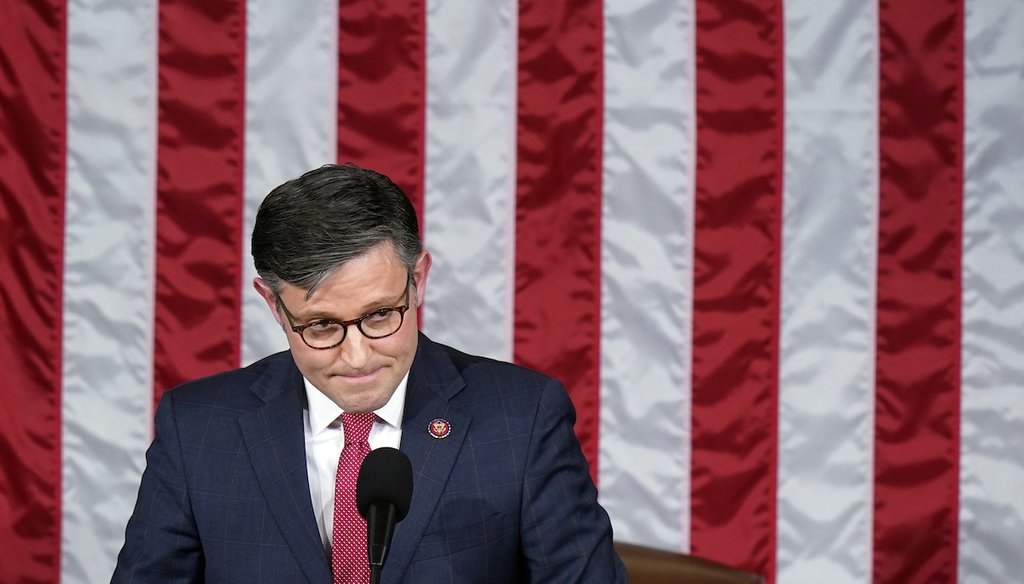
By deferring judgment on whether the video should be released, Johnson avoids taking a public stance that could alienate either party. Analysts say his response is emblematic of the GOP leadership’s broader approach to controversial foreign policy incidents: a focus on internal legislative priorities while avoiding immediate, high-profile commitments on sensitive issues.
“It’s a classic political deflection,” said Dr. Elaine Whitman, a political science professor at Georgetown University. “Johnson is signaling that he is engaged with congressional business, in this case health care proposals, while putting off a potentially divisive decision regarding military transparency.”
Democrats Push for Accountability
Democrats, however, remain vocal in their criticism. They argue that the incident highlights serious oversight gaps in U.S. military operations and accountability for civilian or non-combatant casualties. Beyond the deaths themselves, the reported hour-long interval before the follow-up strike has sparked calls for internal reviews and potential Congressional hearings.
Representative Jamaal Bowman (D-NY) commented, “This isn’t about politics. It’s about human lives and whether the U.S. followed the law of armed conflict. Delaying release of the video only fuels suspicion.”
Some Democrats have proposed legislation mandating the release of video evidence in incidents where civilian casualties or ethical concerns are implicated, though such proposals face resistance from Republicans citing national security risks.
The Role of Classified Briefings
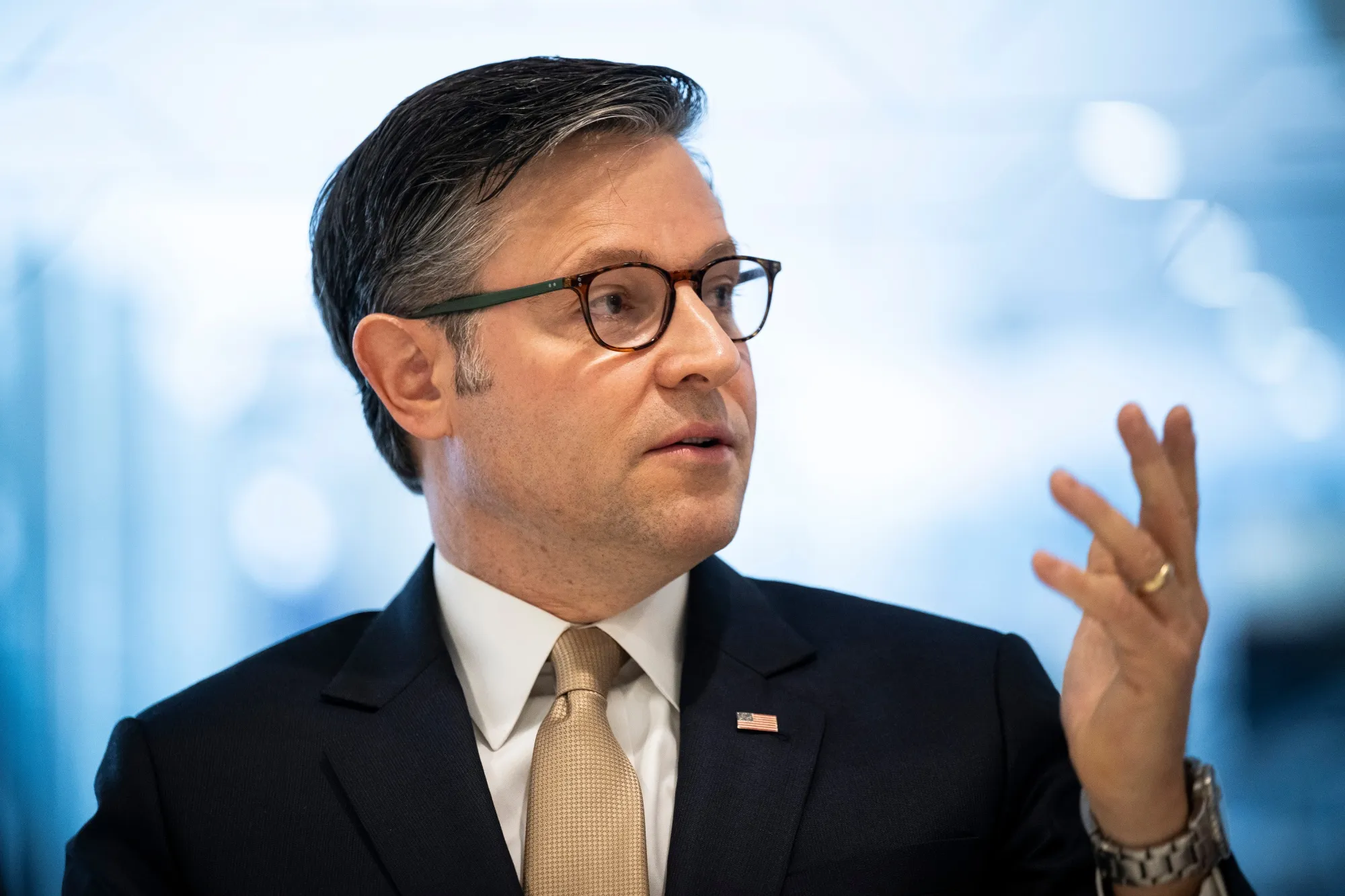
Johnson’s absence from the classified briefing with Hegseth and Rubio has drawn criticism from both sides of the aisle. Republicans note that Speaker Johnson was engaged in legislative business, particularly crafting health care proposals with House GOP members, which he has characterized as a pressing domestic priority.
Critics, however, argue that skipping a briefing on a sensitive international incident could be perceived as a lack of attention to matters of foreign policy and military accountability.
Looking Ahead
The incident continues to reverberate politically. Democrats are expected to push aggressively for video release, oversight, and potential hearings. Meanwhile, Republican leaders must navigate public perception, legislative priorities, and party unity in the face of growing scrutiny.
Observers note that the decision whether to release the video could have far-reaching implications, potentially influencing public trust in U.S. military operations, congressional oversight, and the Trump administration’s handling of foreign policy controversies.
As debates continue, Speaker Johnson’s “we’ll see” response has left many questions unanswered, highlighting the tension between national security secrecy and government transparency.
The coming weeks may determine whether Congress will secure access to the video, or whether the incident will remain largely classified, continuing to fuel speculation and bipartisan concern over the September 2 Caribbean boat strike.