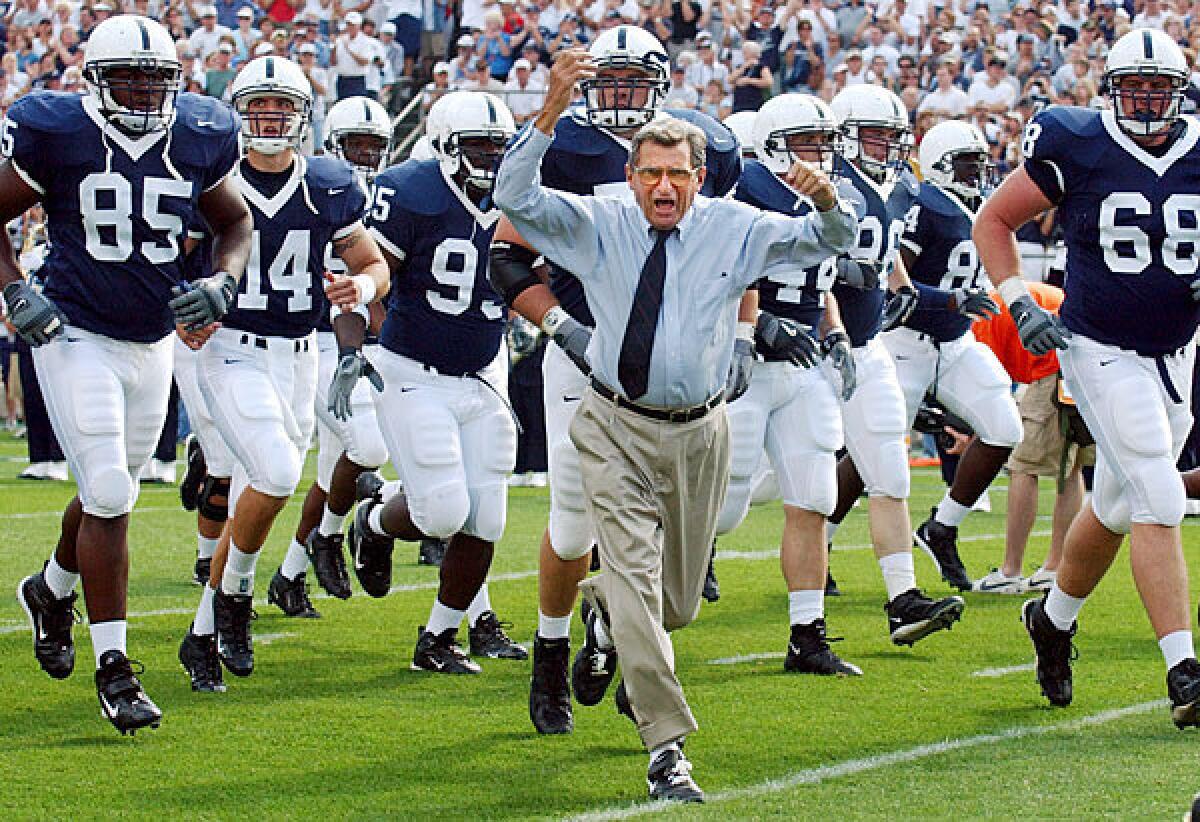
Joe Paterno’s career at Penn State was unlike any other in college football history. Known affectionately as JoePa, he became synonymous with the Nittany Lions, guiding the program with a philosophy of “Success with Honor.” His approach emphasized that the character of young athletes was as important as their performance on the field. Over 45 years, Paterno amassed 409 victories, setting a record at the time for NCAA Division I FBS coaches. Under his leadership, Penn State claimed two national championships and produced numerous All-American players.
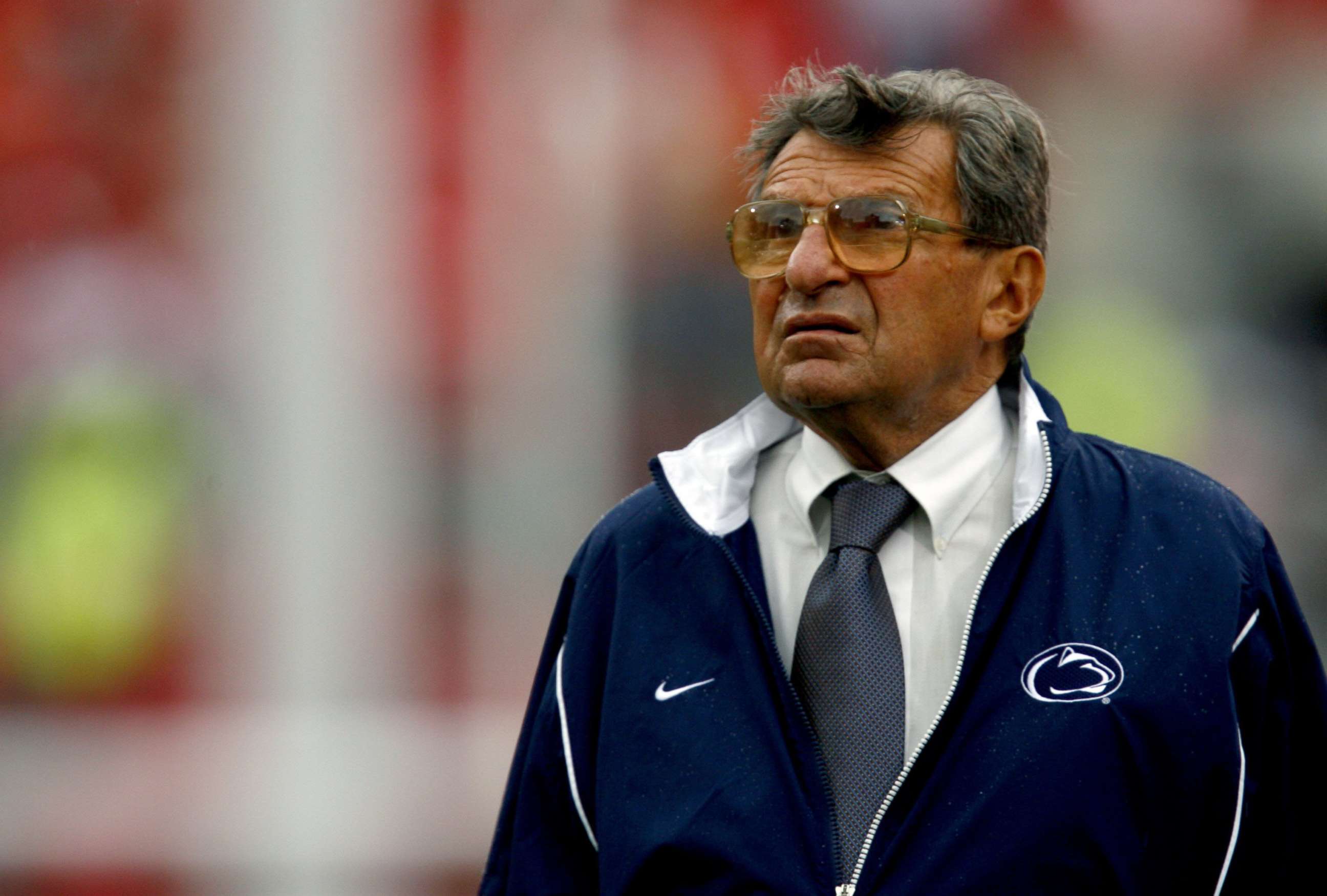
Paterno’s methods were rooted in tradition. Always on the sidelines in a tie and thick-rimmed glasses, he symbolized a bygone era of football where discipline, integrity, and education were paramount. Players who trained under him recall his attention to detail, his insistence on academic success, and his personal investment in their lives beyond the game. JoePa was more than a coach; he was a mentor, a father figure, and a constant source of guidance for countless young athletes navigating the pressures of college life.
Yet, Paterno’s legacy is far from simple. While celebrated for his victories and contributions to college football, his career was overshadowed by the scandal involving his former assistant coach, Jerry Sandusky. The revelations of child sexual abuse sent shockwaves through the Penn State community and ultimately led to Paterno’s dismissal in 2011. Many grappled with conflicting emotions: admiration for a coaching legend and heartbreak over the moral failures linked, in part, to the environment he helped cultivate.
Despite this, those who knew Paterno personally often speak of his unwavering commitment to students’ holistic development. He championed education, insisting that athletes earn their degrees and pursue meaningful careers beyond sports. Many players who went through his program recall his mentorship extending well past graduation, shaping not only football careers but lifelong values and ethics.
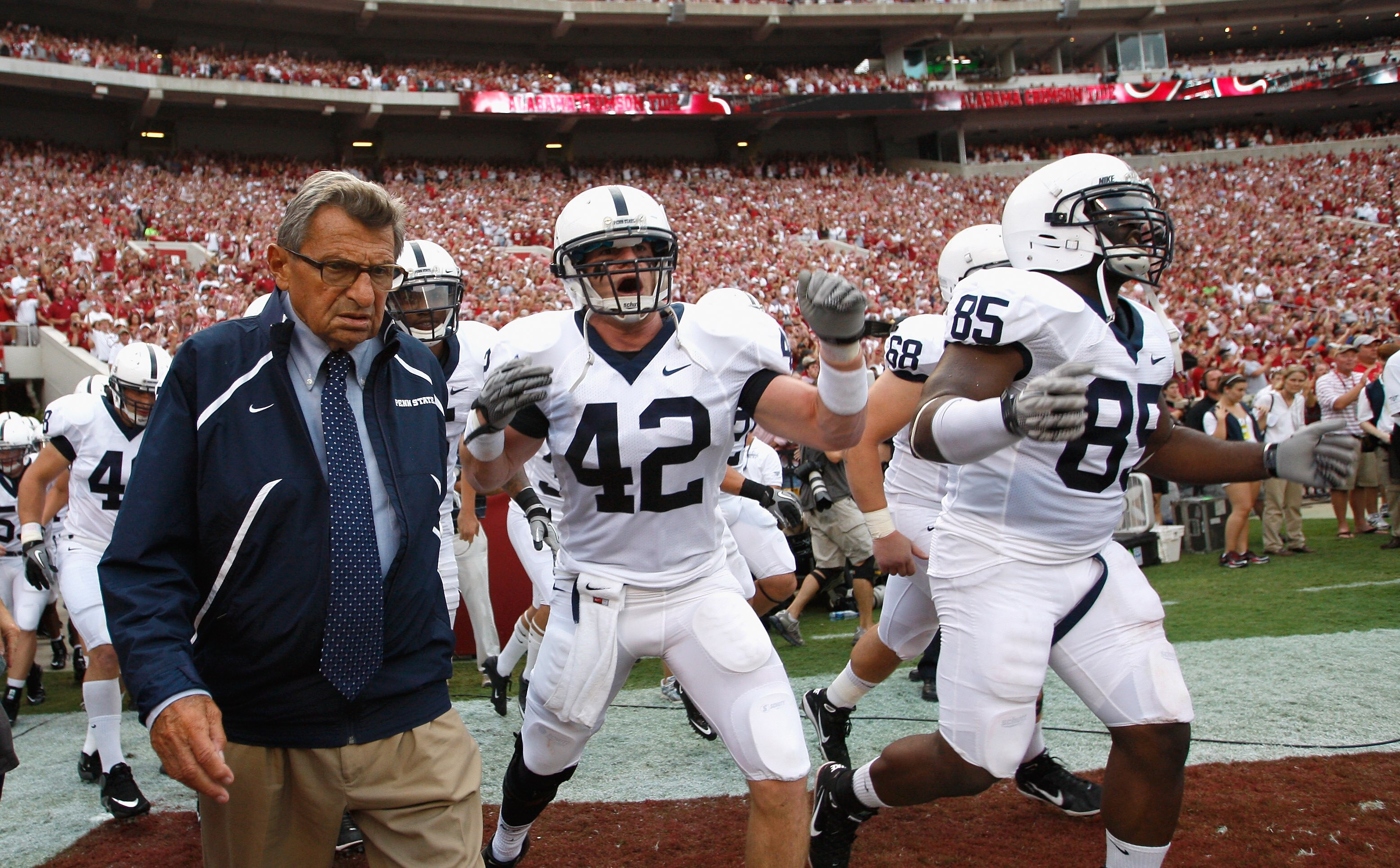
His impact on the field is undeniable. Penn State’s two national championships remain testaments to his strategic mind, adaptability, and leadership. He cultivated a culture of resilience, teamwork, and discipline, turning the Nittany Lions into one of the most respected programs in college football history. His insistence on blending athletic achievement with academic success influenced countless programs nationwide and inspired other coaches to prioritize character development alongside victory.
Yet, Paterno’s story is also a cautionary tale about the complexities of leadership and accountability. The Sandusky scandal forced the football world to confront uncomfortable truths about oversight, responsibility, and the limits of reputation. Paterno’s achievements cannot erase the pain caused, nor can the scandal fully define his life’s work. Instead, it illustrates the intricate balance between legacy and morality, success and failure, heroism and human imperfection.
Today, discussions of Joe Paterno often evoke both reverence and controversy. For many, he represents the heights of dedication, the power of mentorship, and the embodiment of a philosophy that valued honor above all. For others, his story is a somber reminder of the consequences of inaction in the face of wrongdoing. Perhaps the truest measure of his legacy lies somewhere between these extremes: in the countless lives he touched positively, the records he set, and the painful lessons that continue to resonate in college athletics.
JoePa’s life reminds us that greatness is never simple. Triumphs and failures coexist, shaping the narrative of those who inspire, lead, and leave indelible marks on communities. His story is both an homage to dedication and a reflection on the fragility of reputation, challenging us to consider what it truly means to lead with honor, even when the path is complicated and human flaws emerge.