House Speaker Mike Johnson is facing mounting criticism after a stark contrast in swearing-in timelines for newly elected members of Congress exposed what critics are calling a partisan double standard. Republican Matt Van Epps was sworn in just 36 hours after his special election victory, while Democrat Adelita Grijalva waited nearly seven weeks to take her oath — prompting accusations of favoritism, mismanagement, and disregard for constituents’ representation.

A Tale of Two Swearing-Ins
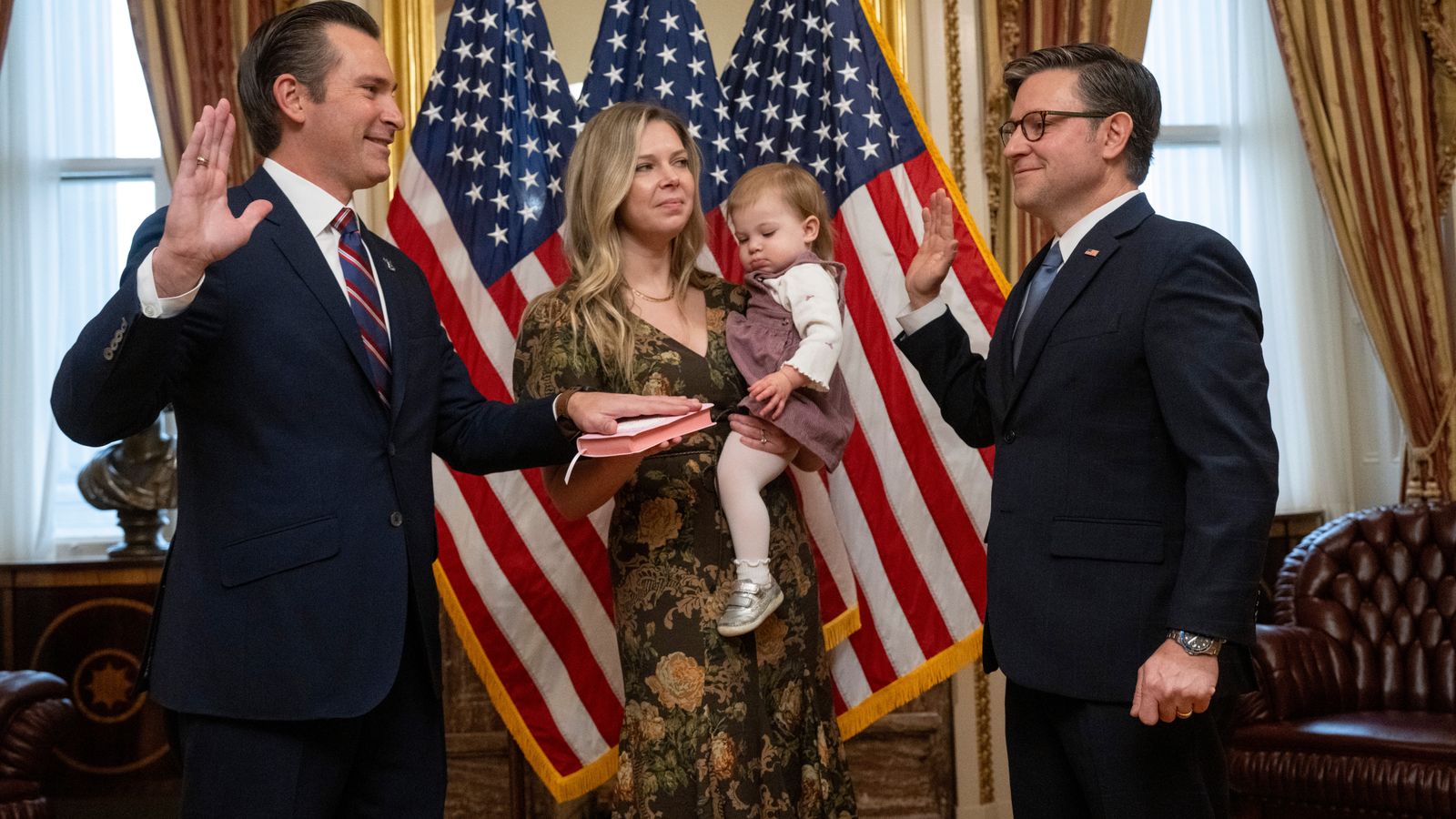
On December 2, 2025, Matt Van Epps won his special election. By December 4, just about 36 hours later, he was sworn into the House of Representatives. The unusually fast process raised eyebrows, but it was consistent with historical precedent: when the House is motivated, members can be sworn in rapidly, even during short recesses or outside of full legislative sessions.
By contrast, Adelita Grijalva, a Democrat, won her special election in late September 2025, yet she was not sworn in until early November — a delay of approximately seven weeks. During this period, over 800,000 constituents in Arizona’s district were left without full representation in Congress, a gap that sparked frustration and public outrage.
Johnson’s Excuses
Throughout the delay, Speaker Johnson offered a series of explanations, including election certification processes, the House being in recess, and even the ongoing government shutdown. However, legal experts and congressional historians note that none of these reasons legally required such a long delay, and previous members have been sworn in during similar conditions without issue.
Critics argue that the long delay for Grijalva — juxtaposed with the rapid swearing-in of Van Epps — demonstrates a clear partisan bias. “It’s hard not to see this as favoritism when one member takes weeks to be seated while another is sworn in almost immediately,” said one Democratic congressional aide.

The Political Fallout
The delay has not only angered constituents but has also caught the attention of the media and political commentators. Across social media, many pointed out the stark contrast with pointed humor: memes circulated joking about “must be nice” to be a Republican, while Democrats wait over a month to take their seats.
Arizona’s Attorney General, Kris Mayes, reportedly considered legal action, arguing that the delay deprived voters of their rightful representation. Public advocacy groups also voiced concerns that the delay undermines faith in the fairness of congressional procedures, highlighting that swearing-in timelines should be impartial and consistent, regardless of political affiliation.
Historical Context
While procedural delays in swearing-in are not unprecedented, the duration in Grijalva’s case is unusual. Previous special-election winners, including Republicans, have often been sworn in promptly, even during short recesses or when the House was technically not in full session.
The speed at which Van Epps was sworn in demonstrates that the House is capable of moving quickly when it chooses. This has strengthened arguments that Grijalva’s delayed swearing-in was politically motivated, rather than due to procedural necessities.
Implications for Constituents
For constituents in Grijalva’s district, the delay meant nearly two months without a fully seated representative in Congress. During this period, they lacked voting power on legislation, access to constituent services, and advocacy for local concerns — a situation critics describe as “unacceptable” in a representative democracy.
The rapid swearing-in of Van Epps highlights the discrepancy. While one district enjoyed immediate representation, Grijalva’s constituents faced weeks of silence in Congress. This inequity has prompted renewed calls for rules or guidelines that would prevent partisan influence from determining swearing-in schedules.
Broader Concerns
Political analysts note that such disparities can have long-term effects on public trust. When citizens perceive that party affiliation determines access to representation, it undermines confidence in the fairness and impartiality of legislative institutions.
For lawmakers, the Grijalva-Van Epps situation raises questions about the Speaker’s discretion in swearing-in procedures. Critics argue that uniform standards should apply, ensuring that all members, regardless of party, can take office promptly after election certification.
Next Steps
As public scrutiny grows, some Democrats are expected to push for formal guidelines or legislation that would standardize swearing-in timelines. Meanwhile, Johnson has defended his actions, citing procedural reasons and House schedules. However, with media attention and public debate mounting, many observers believe the Speaker will continue to face intense scrutiny over perceived partisan bias.
Regardless of political affiliation, the situation underscores a fundamental principle: every elected member should be seated in a timely manner, ensuring constituents are fully represented. The contrast between Van Epps’ swift swearing-in and Grijalva’s delayed oath serves as a stark reminder of the potential for political maneuvering to impact representation at the highest levels of government.