When the 2025 edition of the rivalry between Texas A&M and Texas Longhorns was announced, fans expected heated games, passionate crowds, and maybe a bit of trash talk. What no one expected: a full-scale march down the heart of Austin’s downtown just hours before kickoff.
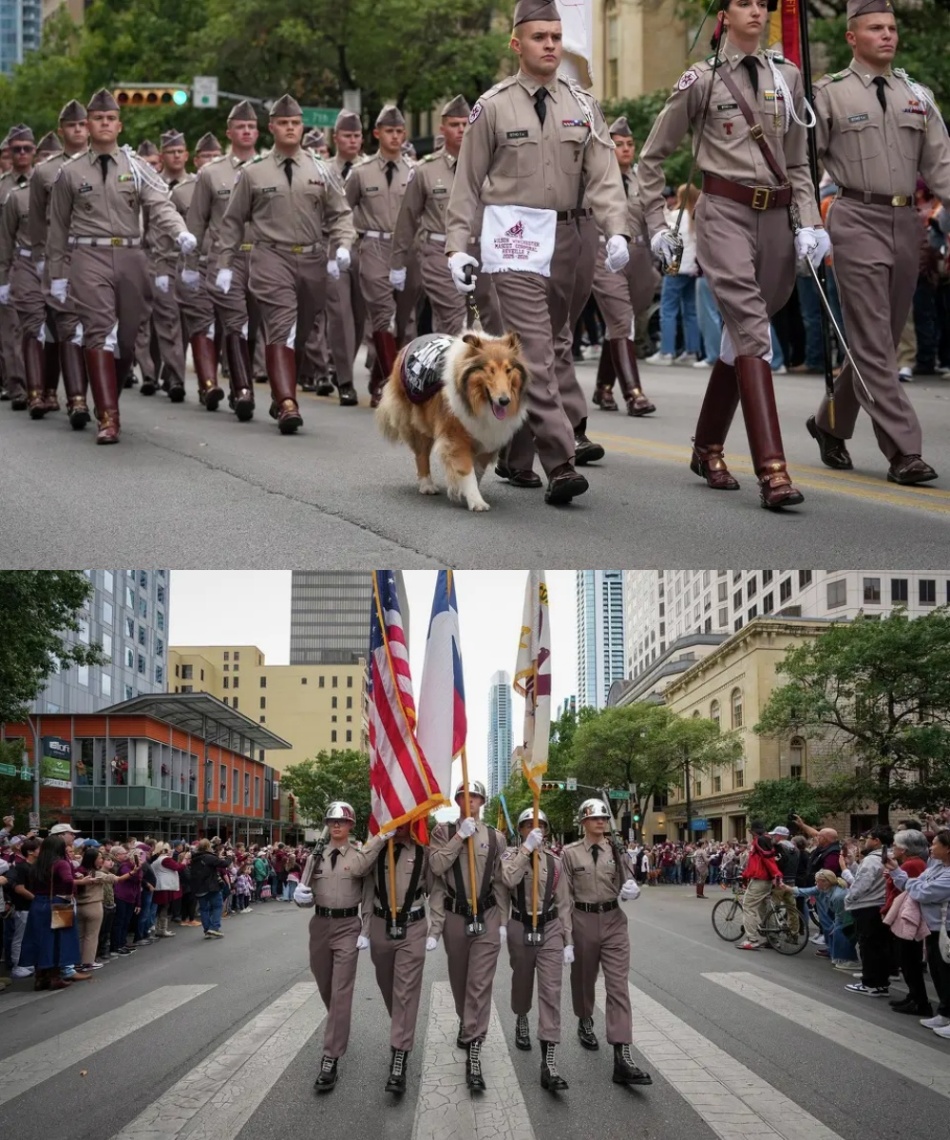
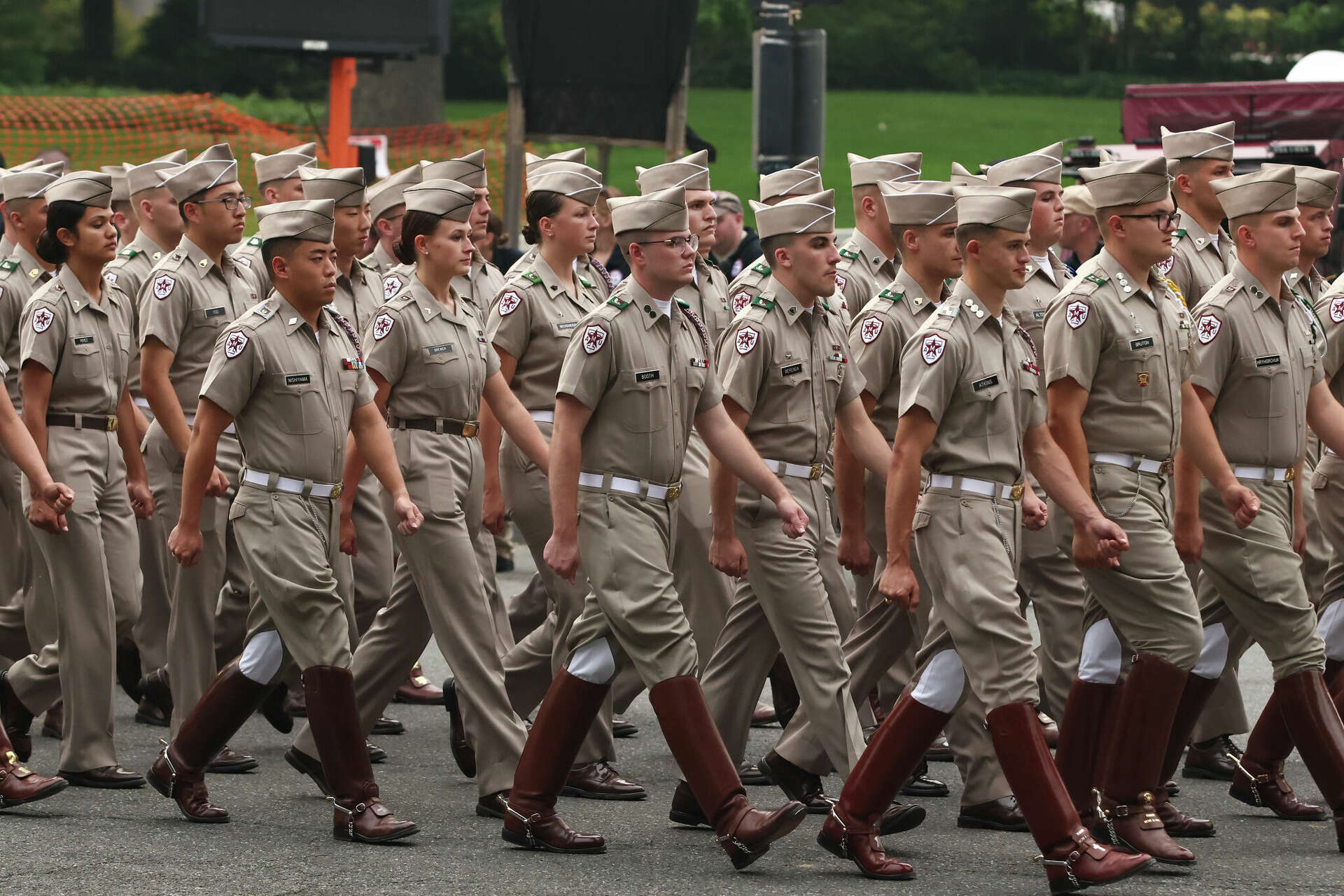
On Friday, Nov. 28, 2025, the Texas A&M Corps of Cadets returned to the streets of Austin for the first time since 2010 — 2,400 strong, led by the thunderous rhythms of the Fightin’ Texas Aggie Band. The parade began on South Congress Avenue around 1:00 PM local time, continuing past the State Capitol and concluding near West 11th Street. Accompanying the cadets were the school’s iconic mascot and mounted cavalry — a grand display of tradition and intimidation.
The sidewalks, usually calm at midday, quickly transformed into a sea of maroon. Aggie fans, some returning alumni, some students, flooded the streets — drums pounding, horns blaring, flags waving. Even some stunned Longhorn supporters paused on their way home — cameras out, phones snapping. Tweets and livestreams appeared within seconds: “Aggie takeover,” “Austin belongs to maroon today,” “Longhorns watch your backs.”
This spectacle was more than nostalgic pageantry; it was a statement. For many Aggies, the march represented a reclaiming of identity — a bold reminder that the rivalry isn’t confined to stadium seats, but lives in the streets, in history, and in every tradition passed down through generations. The Corps of Cadets, as one of the oldest student organizations in Texas A&M (founded 1876), has long been dubbed the “Keepers of the Spirit,” charged with preserving the school’s heritage.
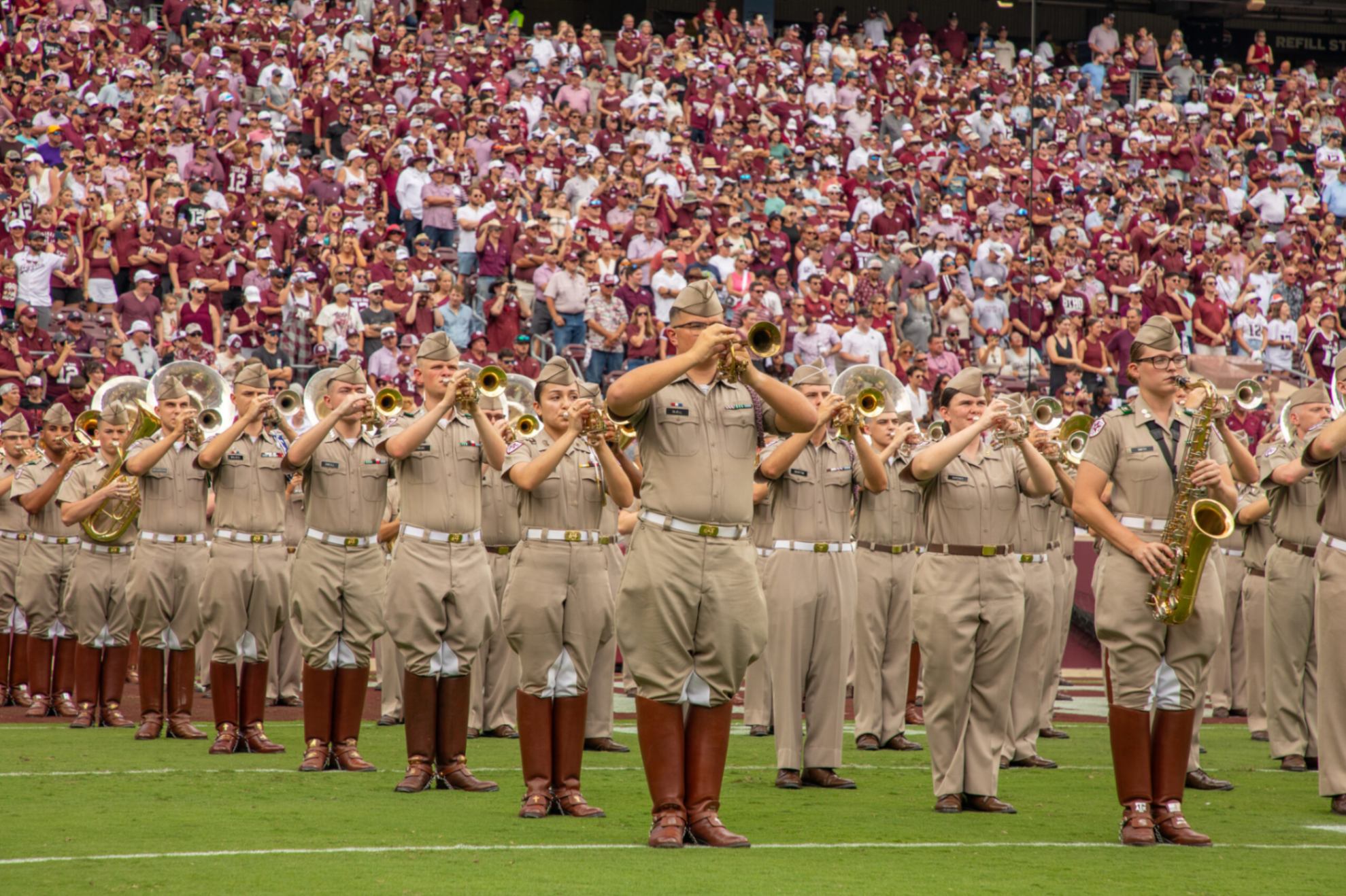
The Aggie Band, the largest military-style college marching band in the U.S., added gravity to the moment. Their formations, brass, percussion — all combined to send a visceral message: this wasn’t a pep rally. It was a takeover.
But in the hours after the march, reactions split sharply. On Aggie-heavy message boards and social media, many praised it as “the most badass statement we’ve ever made,” a poetic revival of tradition and dominance. Others — including some Longhorn fans and neutral observers — criticized it as aggressive, inflammatory, and disrespectful, arguing it turned a sports rivalry into street-level provocation.
Inside the teams, the tension was palpable. Sources say the march changed the energy in both locker rooms — for the Aggies, a surge of confidence and brotherhood, for the Longhorns, a sense of urgency and defensiveness. Coaches reportedly scrambled to adjust mental preparation, aware that tonight’s outcome might be influenced as much by emotion as by playbooks.
Analysts aren’t ignoring it. Some noted that a full-on public display like this is rare in modern college football — especially in a city’s downtown core. They warn such “march-ins” blur the line between fan culture and civic disruption, potentially inviting backlash or even safety concerns. Others counter that it’s authentic tradition — the kind that builds legends and fuels rivalries.
One thing is clear: for the 2025 Lone Star Showdown, the stage has been set long before the first snap. The streets marched. The flags waved. The city trembled. And now, the ball is in the field’s hands — but the hearts of hundreds of thousands are already playing.
Whether the Aggies win or fall, the message was delivered loud and clear: this rivalry isn’t just about touchdowns. It’s about identity. It’s about pride. It’s about legacy. And when the Corps marches — Austin listens.